China’s Paradoxical Geopolitical Strategy
ARiVL – Opinion. All of this is my personal opinion and analysis based on open-source data and events as I saw them on [Dec 10, 2025]. Numbers and situations can shift; this is a snapshot, not gospel.
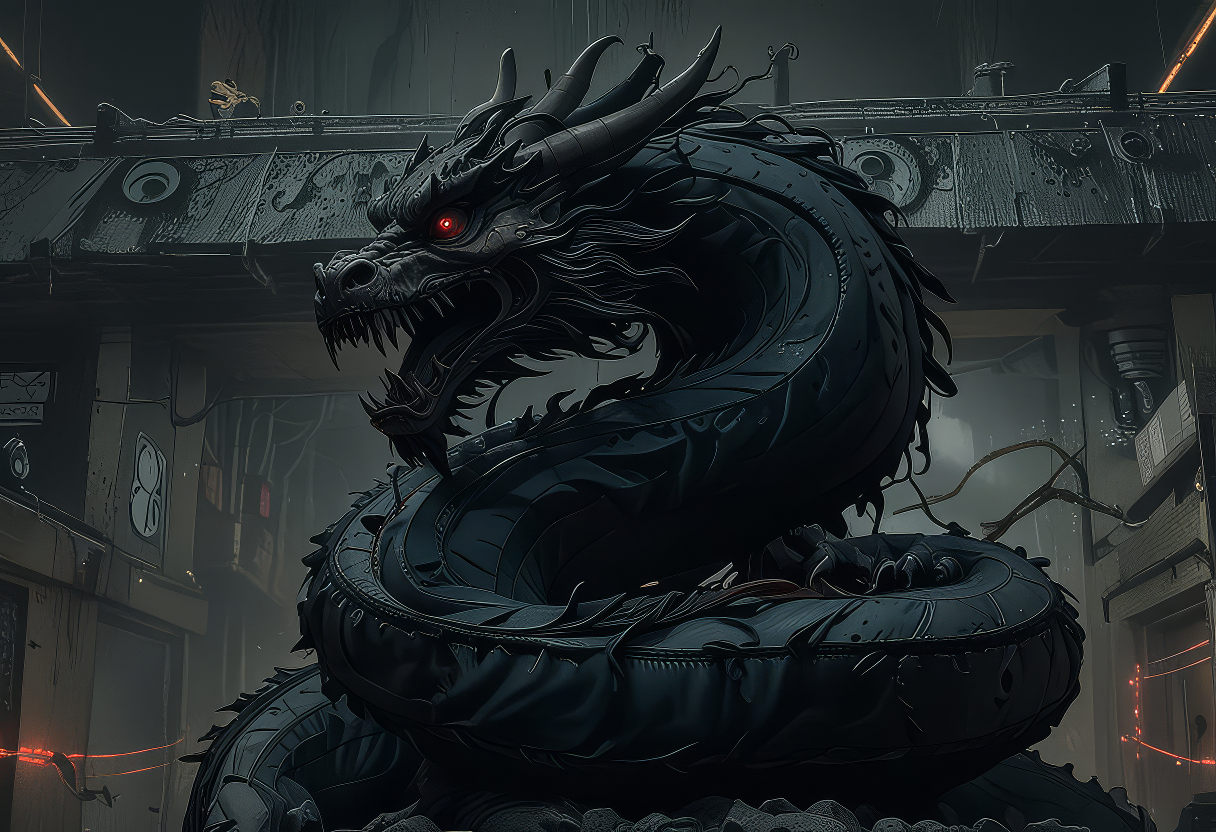
I. Introduction: The Dragon That Won’t Chill
China already has the biggest slice of the global pie since the British ran the oceans. Factories, ports, cash, minerals: game over. Most countries would kick back and enjoy it.
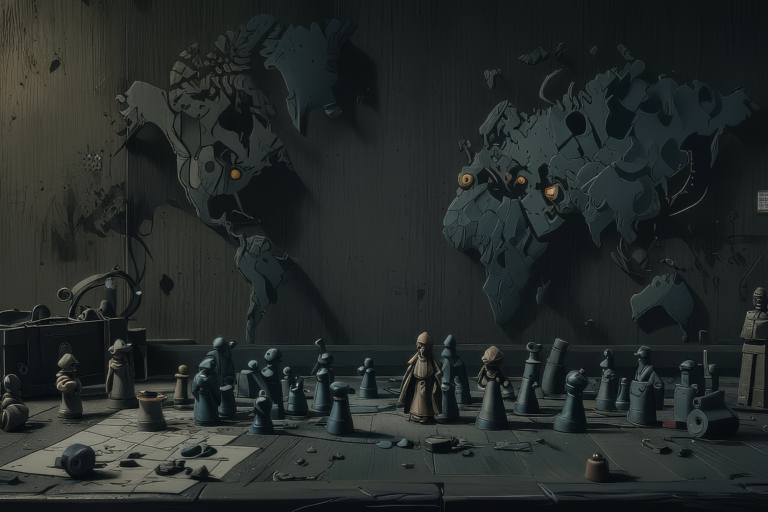
Instead Beijing acts like the repo man’s idling outside 24/7. Fighters scramble over fishing boats. Water cannons hit grandmas. Radar locks, export bans, wolf-warrior tantrums, then quiet walk-backs when everyone just builds new mines and moves on.
This isn’t confidence. This is a country terrified someone will notice the cracks.
Five self-built traps follow: pointless aggression, self-made cages, fragile infrastructure, one-button kill switches, and a national brain wired to copy instead of create. Each one works against the throne China claims to want, and each quietly pushes Russia, India, and even the EU to hedge, bypass, or straight-up ghost the Dragon.
When you drive the Lambo like it’s stolen, people stop asking for rides.
Let’s look under the hood.
II. Angle 1: Strange Aggro Behavior vs. Desired Global Position
China keeps telling the world it wants “win-win cooperation,” a “community of shared future,” and all the other brochure slogans. Then it turns around and acts like everyone owes it lunch money while half the planet’s still on vouchers
2025’s most recent greatest hits:
- Radar-locked Japanese F-15s for flying near a carrier doing routine ops
- Water-cannoned and rammed Philippine resupply boats (twice)
- Sent 266 warplanes into Taiwan’s ADIZ in November alone
- Slapped export bans on gallium, germanium, and antimony then quietly paused them the minute the West started building alternatives
- Keeps grabbing African cobalt mines, South American lithium, and Pacific seabed nodules like it’s running out tomorrow, even though domestic reserves are sitting untouched
The pattern is obvious: flex hard, demand tribute, threaten escalation over reefs and fishing zones nobody cared about five years ago.
Result? Every neighbor sprints the other way.
India fast-tracks graphite auctions and signs Russian rare-earth tech deals the second China throws another tantrum. Russia smiles publicly but quietly offers Siberia blocks to Delhi and floats mineral side-deals with Trump, because Moscow knows an angry Beijing is a needy Beijing. The EU slaps tariffs on Chinese EVs and starts writing love letters to Indian and African suppliers instead.
Aggression was supposed to secure respect and resources. Instead, it’s the fastest way to make sure nobody wants to sell you the good stuff tomorrow. The aggression is not exactly aiming for a “shared future”… Instead, it is aiming to empty us all while keeping its own.
Vibe question: When your idea of “peaceful rise” looks like a bar fight over the jukebox, how long before the whole bar teams up and changes the locks?
III. Angle 2: Boxed-In Strategies (Self-Imposed Isolation)
China spent two decades bragging it would own the future by controlling the chokepoints: rare-earth refining, gallium, the South China Sea, the new Silk Road, you name it. Mission mostly accomplished.
Then it started padlocking its own gates.
- Turned a giant ocean into a private lake with militia boats and island fortresses nobody else can use
- Weaponized mineral exports, then had to pause the bans when Texas red mud and Namibian pits started shipping tomorrow’s supply
- Built the Belt and Road like a spider web, then scared half the countries into default or renegotiation because the terms felt like leg irons
- Drew the Nine-Dash Line so aggressively that Vietnam, Philippines, and Malaysia now jointly patrol it with the U.S. Navy
They wanted to be the indispensable hub. They ended up the hub everyone is now routing around.
India auctions graphite blocks at 2-4% royalty the week after every Chinese squeeze. Russia quietly lists Arctic LNG and rare-earth parcels to anyone who pays in rupees or dollars. The EU, instead of begging Beijing for batteries, signs long-term lithium deals in Chile and cobalt pacts in the Congo.
China built the walls to keep others out. Turns out the walls work both ways.
Vibe Question: When does a fortress become a prison, especially if your neighbors are forced to build roads that go around?
IV. Angle 3: Vulnerable Infrastructure (Built for Peace, Not War)
China poured concrete like the planet was running out of it: Three Gorges Dam, the biggest hydroelectric structure ever, coastal megacities that house 600 million people, power grids that hug the shoreline, ghost cities turned logistics hubs.
All of it works great when nobody is shooting.
One precision strike package (or even one well-placed sabotage team) and half the country goes dark or underwater. The same leaders who love scrambling fighters over reefs know a single cruise-missile brigade could turn the Yangtze into a inland sea and Shanghai into Venice on steroids. Some of the many things the “war games” ignore. Convenient…
Yet the budget still flows to new carriers and hypersonic toys while the dams get the same old inspections and the grid stays 80 % coastal.
It’s like buying a titanium bat while your house is made of matchsticks and gasoline.
Neighbors notice. India quietly stocks precision munitions and signs defense pacts with France and the U.S. Russia keeps its Eastern bases on high alert and sells India the S-500s Beijing can only dream about. The EU, already nervous about supply chains, watches the vulnerability show and accelerates “friend-shoring” to anywhere that isn’t one flood away from blackout.
You don’t pick fights when your chin is glass and everyone can see it.
Vibe Question: Why buy the biggest fists on the block when the smartest kid in the room already knows exactly where to land one punch and end the whole party?
V. Angle 4: Top-Down Control Creating Weaknesses
China solved the “too many cooks” problem by giving one guy the only ladle and a gun to guard it.
Xi sits at the very top of every flowchart: military promotions, missile tests, factory output quotas, even which generals get executed for “corruption.” Loyalty trumps competence, purges keep everyone looking up instead of out, and every battlefield decision has to ride an elevator to Beijing before anyone can pull a trigger.
Result? A military that looks unstoppable on parade and freezes the second the script changes or the guy at the front goes down and ruins the synchronized plans.
- Rocket Force commanders vanish mid-deployment because someone skimmed the wrong budget line
- Carrier groups need Beijing’s okay to change course during “routine” drills
- Cyber units and satellite networks run through single, party-monitored pipes (one good hack or one flipped switch and the whole orchestra goes silent)
Russia watches this and keeps its own command deliberately looser, quietly selling India joint-venture tech it would never fully share with a partner that might get remote-controlled tomorrow. India, already allergic to centralized kill switches, doubles down on its own indigenous systems and Russian co-production. The EU, paranoid about backdoors, routes every new critical contract through committees that would make a snail look decisive, anything to avoid Beijing’s single-point-of-failure model.
China built a perfect top-down machine. All it takes is one finger on the off button (foreign or domestic), and the machine stops being scary and starts being a very expensive statue, not to mention the multi-generational philosophical mindset such a mechanism produces.
Vibe Question: When the whole empire runs on one remote control, how long until someone else finds the batteries?
VI. Angle 5: Damage to Philosophical Mindset
China has the smartest engineers on the planet… who are trained from kindergarten to ask “How did they do it?” instead of “What haven’t we tried yet?”
Decode. Replicate. Scale. Repeat. That mindset turned Shenzhen into the world’s gadget factory and gave us TikTok algorithms that suck souls in 4K. It also means almost every breakthrough has someone else’s fingerprints on the original blueprint.
IP theft isn’t just a side hustle; it’s the default operating system.
Steal the F-35 plans → build the J-20.
Lift Tesla’s source code → launch XPeng.
Grab Siemens wind-turbine software → dominate global turbines.
The theft itself reinforces the mental loop: why imagine when you can just copy and paste? They have a million spies because they have to not because it’s cool.
Decades of gaokao cramming, party loyalty scoring, and “don’t stick your neck out” culture have wired multiple generations to run code, not write it. We’re the ones busy teaching them that. The few who do try to write original code usually leave (or get disappeared if the code threatens the Party).
Russia notices and keeps its bleeding-edge hypersonic and nuclear tech in strictly bilateral deals with India instead of full three-way sharing. India, chaotic and argumentative as hell, keeps churning out moonshots and home-grown chips because nobody there gets punished for thinking too loud. The EU, still protects the garage-tinkerer spirit enough that its startups would rather partner with messy democracies than a system that treats original thought like a crime.
China can copy the future faster than anyone. It just can’t invent it.
Vibe Question: 1. What happens when the fastest photocopier on Earth realizes the original artist just walked out of the room with the only pen?
VII. Synthesis: The Interconnections and Implications
Put the five traps together and they stop looking like separate problems. They’re one giant feedback loop.
Aggression scares the neighbors →
Neighbors build roads that bypass →
China panics, tightens control and steals harder →
Control + theft starve the fixes and infrastructure stays fragile →
Fragile infrastructure forces even louder aggression to hide the weakness →
Back to step one, only louder and lonelier.
The real-time scoreboard in December 2025:
- India just auctioned another 20 critical-mineral blocks at 2-4% royalty (2025) while China is still yelling about historical rights.
- Putin hugged Modi on the tarmac, signed S-500 and Arctic co-production deals, and casually reminded the world Russia has “an order of magnitude more” rare earths than Ukraine ever did.
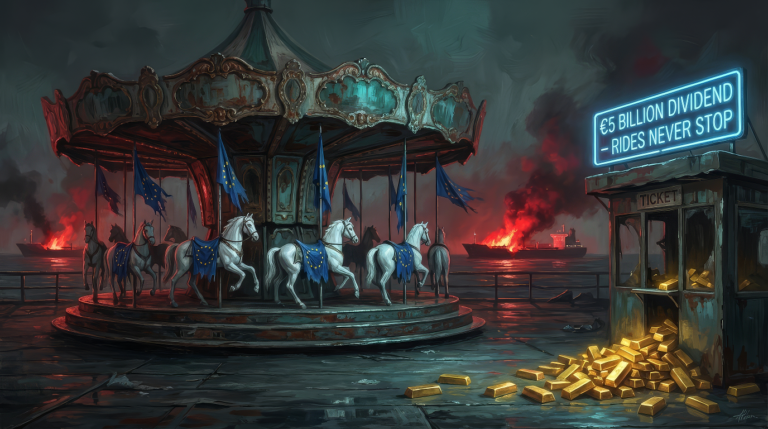
- The EU, instead of begging Beijing for batteries, is cutting lithium deals in Serbia, cobalt pacts in the DRC, and quietly talking to Moscow about unfreezing a few assets if the war ever ends.
China’s tantrums and cages are turning its own “no-limits” friends into the world’s most enthusiastic hedge fund.
Russia keeps one foot in Beijing’s camp for the oil money and another foot in Delhi’s (and maybe Washington’s) for the minerals and tech. India plays both sides, happy to take Russian rigs and American chips while China screams about betrayal. The EU, burned one too many times, is already writing the post-China playbook with anyone who isn’t holding a radar lock or a stolen blueprint. But this could turn into a fallback or a potential future friction that undulates the EU’s Business Model.
The Dragon built the perfect machine to dominate the 21st century. It just forgot to remove the self-destruct button it installed for domestic control.
Vibe Question: When every move you make to stay on top pushes your own allies into someone else’s group chat, who exactly is winning the game?
VIII. Conclusion: The Self-Defeating Dragon (Why Americans Should Care)
China spent thirty years convincing itself (and half of Washington) that it was the unstoppable next superpower. Turns out it built the off-switch into every layer of the machine and keeps slamming the accelerator anyway.
For American readers: this isn’t some far-away drama. Every tantrum Beijing throws is another billion dollars flowing to mines in Nevada, Texas, Ghana, and Namibia instead of Shandong. Each radar lock in the South China Sea is another reason everyone cuts deals that don’t need Beijing’s permission. Every stolen blueprint is another American startup that learns to guard the crown jewels and build the next breakthrough at home.
The United States doesn’t have to “beat” China. China is doing the heavy lifting all by itself.
All we have to do is what we’ve always done: stay open, stay inventive, stay chill, and let the guy who can’t sit still run laps until he’s too dizzy to notice the finish line moved.
To China, dude, seriously: Chill out. Or keep yelling at the waiter while the rest of us finish dessert.
Your move, Beijing. Just remember—get it done before curfew.